
A Few Of My Favorite Things Printable
A Few Of My Favorite Things Printable - Understanding the distinction between “a few” and “few” lies in their context, tone, and implications on meaning. Not many but more than one: Used in expressions such as quite a few to mean…. The few, a special, limited number; The few, a special, limited number; 'few' and 'little' often imply a lack of something, suggesting a quantity smaller than expected or desired. Its synonymous counterpart little is used with uncountable nouns. It is often used to represent a quantity that is less than 'some' or 'many' but more than 'zero' or 'a couple'. The meaning of few is not many persons or things. That music appeals to the few. Few means “not many,” and you use it to describe a shortage of something (relatively speaking). Few refers to a small number of something or not many. The few, a special, limited number; Few is used with plural nouns only; How to use few in a sentence. V.) a small number or amount: Its synonymous counterpart little is used with uncountable nouns. 'few' and 'little' often imply a lack of something, suggesting a quantity smaller than expected or desired. That music appeals to the few. Few emphasizes the low quantity and lack of items. Not many but more than one: The few, a special, limited number; On contrast, 'a few' and 'a little' indicate positivity as they suggest that despite the. 'few' and 'little' often imply a lack of something, suggesting a quantity smaller than expected or desired. Noun (used with a plural verb) a small number or amount. Although indefinite in nature, a few is usually more than two (two often. The meaning of few is not many persons or things. How to use few in a sentence. Understanding the distinction between “a few” and “few” lies in their context, tone, and implications on meaning. Few is used with plural nouns only; Few is used with plural nouns only; On contrast, 'a few' and 'a little' indicate positivity as they suggest that despite the. Although indefinite in nature, a few is usually more than two (two often. V.) a small number or amount: The few, a special, limited number; Used in expressions such as quite a few to mean…. 'few' and 'little' often imply a lack of something, suggesting a quantity smaller than expected or desired. Not many but more than one: These subtle differences influence how your message is perceived. Some, or a small number of something: A few means “some,” and, although it still doesn’t mean “many,” it is. Few refers to a small number of something or not many. Few emphasizes the low quantity and lack of items. Understanding the distinction between “a few” and “few” lies in their context, tone, and implications on meaning. Its synonymous counterpart little is used with uncountable nouns. Few refers to a small number of something or not many. These subtle differences influence how your message is perceived. Its synonymous counterpart little is used with uncountable nouns. A few means “some,” and, although it still doesn’t mean “many,” it is. Not many but more than one: V.) a small number or amount: On contrast, 'a few' and 'a little' indicate positivity as they suggest that despite the. Its synonymous counterpart little is used with uncountable nouns. Few means “not many,” and you use it to describe a shortage of something (relatively speaking). It is often used to represent a quantity that is less than 'some' or. It is often used to represent a quantity that is less than 'some' or 'many' but more than 'zero' or 'a couple'. Although indefinite in nature, a few is usually more than two (two often. The few, a special, limited number; Used in expressions such as quite a few to mean…. How to use few in a sentence. Noun (used with a plural verb) a small number or amount. These subtle differences influence how your message is perceived. Here are three sentences (and their interpretations) that illustrate the potential difference in meaning between few, a few, and. Few is used with plural nouns only; Used in expressions such as quite a few to mean…. Its synonymous counterpart little is used with uncountable nouns. Some, or a small number of something: Not many but more than one: Few means “not many,” and you use it to describe a shortage of something (relatively speaking). Few refers to a small number of something or not many. 'few' and 'little' often imply a lack of something, suggesting a quantity smaller than expected or desired. Its synonymous counterpart little is used with uncountable nouns. That music appeals to the few. Although indefinite in nature, a few is usually more than two (two often. Few is used with plural nouns only; The meaning of few is not many persons or things. The few, a special, limited number; On contrast, 'a few' and 'a little' indicate positivity as they suggest that despite the. Few means “not many,” and you use it to describe a shortage of something (relatively speaking). How to use few in a sentence. Here are three sentences (and their interpretations) that illustrate the potential difference in meaning between few, a few, and. Used in expressions such as quite a few to mean…. A few means “some,” and, although it still doesn’t mean “many,” it is. Some, or a small number of something: The few, a special, limited number; Few refers to a small number of something or not many.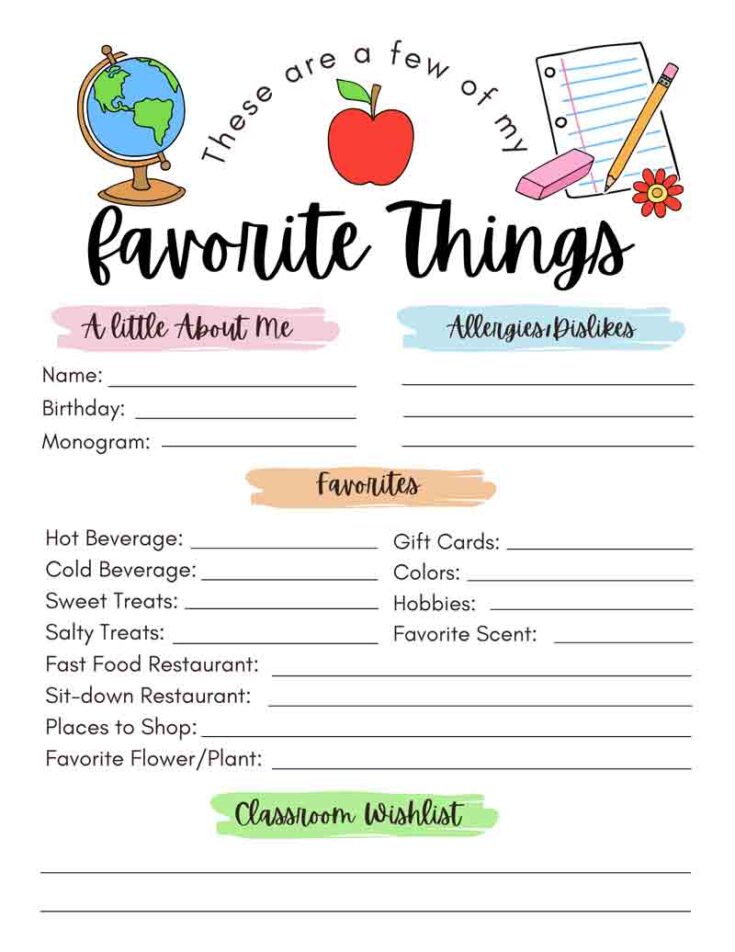
Printable Favorite Things Template Vrogue.co
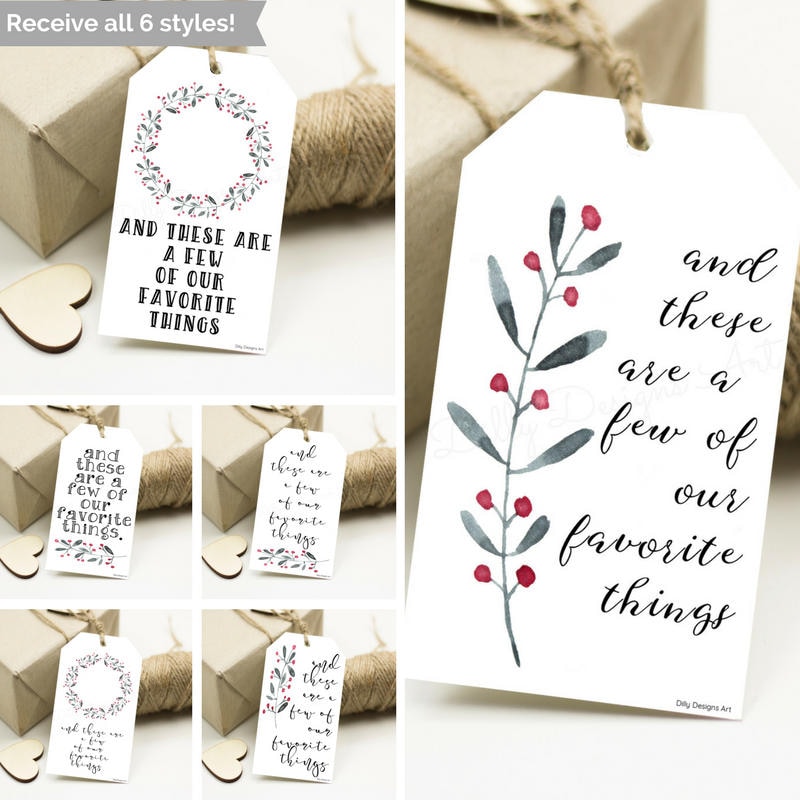
A Few of My Favorite Things Printable Etsy

A Few Of My Favorite Things Worksheet Kindergarten Printable Sheet

These Are A Few Of My Favorite Things Printable Printable Word Searches

My Favorite Things Printable Template
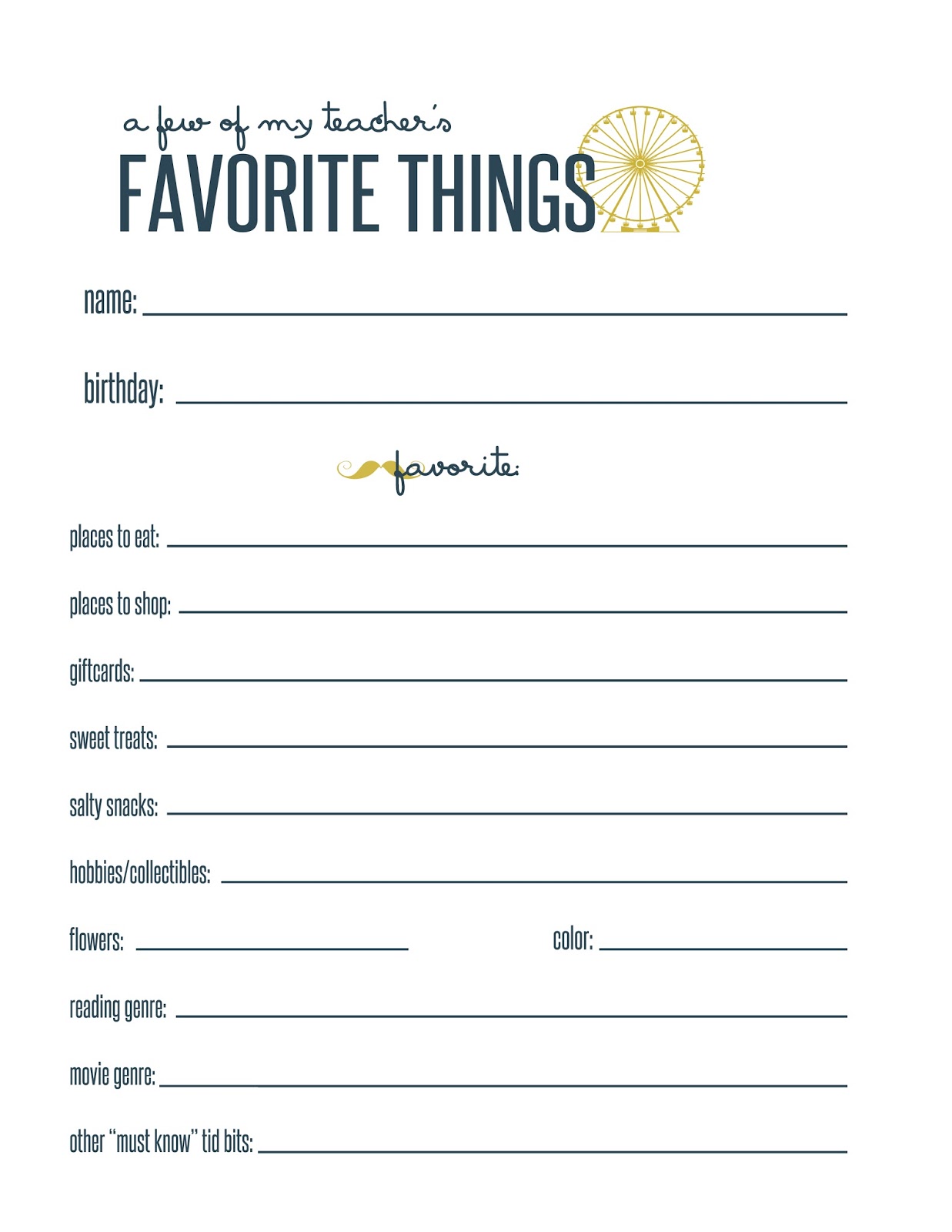
My Favorite Things Printable Template Printable Word Searches

7 These Few My Favorite Things Images, Stock Photos, 3D objects

My Favorite Things Printable Template Printable Word Searches

These Are a Few of My Favorite Things Printable Gift Tag Teacher
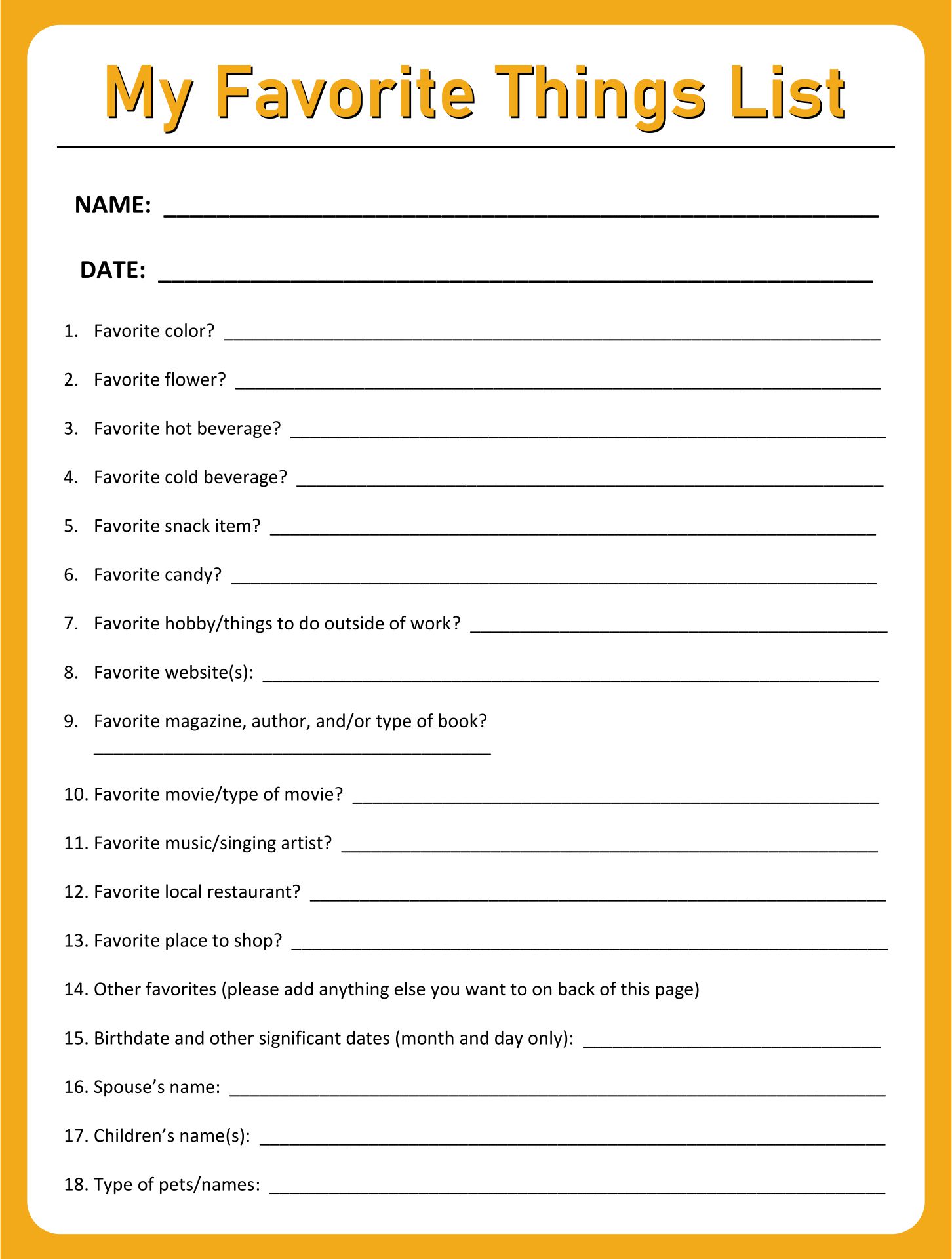
Free Favorite Things Printable
Not Many But More Than One:
Noun (Used With A Plural Verb) A Small Number Or Amount.
These Subtle Differences Influence How Your Message Is Perceived.
V.) A Small Number Or Amount:
Related Post: